Pricey Power: Filipinos Keep Paying the Cost for a Basic Need
by Gabriela Silang
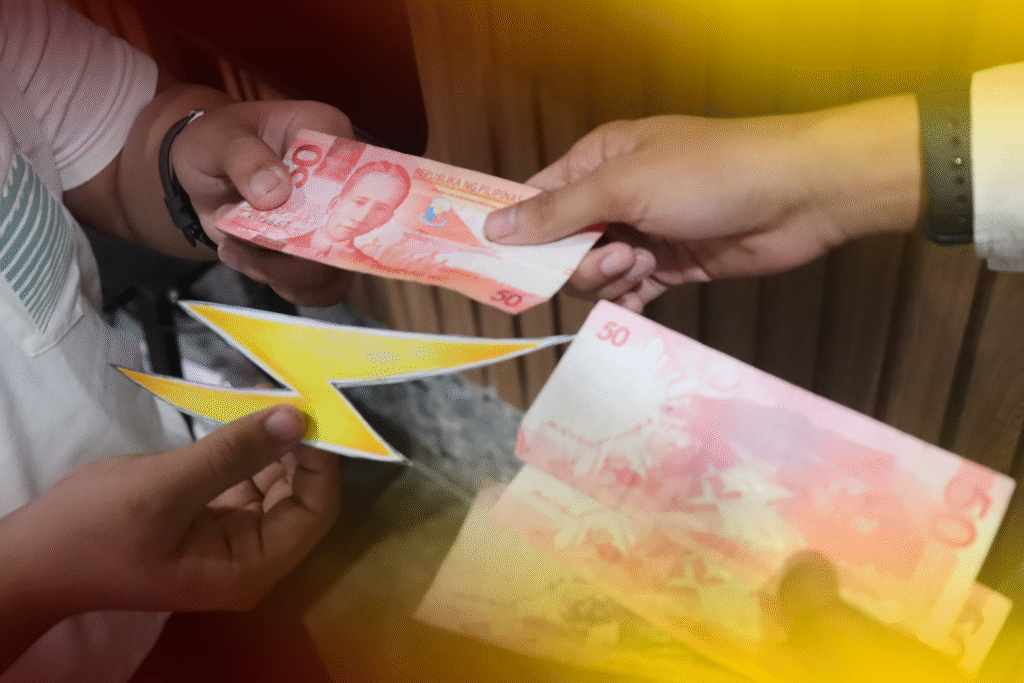
Electricity in the Philippines has always walked a tightrope—necessary for survival yet priced like a luxury. Whether you live in Ilocos Norte, Metro Manila, Visayas, or Mindanao, the frustration is the same: every month, households open their electric bills with a mixture of dread and disbelief. And when the cost of something as basic as electricity becomes unpredictable, inflated, and poorly explained, it becomes clear that the issue is no longer regional but national. The recent 32 percent electricity cost increase in Ilocos Norte is merely one example in a long list of similar stories echoing across the country.
It is a symptom of a larger, systemic problem: electricity providers, whether cooperatives or private companies, are capitalizing on a basic necessity.
Secretary Vicencio Dizon’s confirmation of the surge in Ilocos Norte only highlights what Filipinos nationwide already know too well: our energy system is designed in a way that leaves consumers powerless in the face of rising costs. Complaints about unexplained price hikes, inconsistent billing, and unclear sourcing of energy are not unique to one province. They reflect a deeper national crisis, one in which the very institutions meant to provide power instead wield it over the people.
This becomes even more alarming when we consider how rich the Philippines is in natural energy resources. From Ilocos Norte’s iconic wind corridors and blistering sunlight, to Laguna’s geothermal fields, Mindanao’s hydroelectric rivers, and our countless coastal areas perfect for tidal or wave energy—the country is a gold mine of renewable power potential. Yet despite this natural wealth, we remain one of the nations paying the highest electricity rates in Southeast Asia.
It begs the question: Why is a country so rich in energy sources so poor in energy access and affordability?
The answer lies, in part, with electric cooperatives and energy companies that continue to rely on outdated systems and costly energy imports instead of investing in long-term local renewable infrastructure. It lies in layers of bureaucracy, in regulatory gaps, in a lack of transparency so severe that consumers are often left guessing where their power comes from—much less why they’re paying so much for it.
Electricity should never be treated as a product to profit from. It powers education, health care, communication, safety, and livelihood. Yet too often, energy providers behave like businesses first and public servants second. And when electricity is commercialized, the people inevitably pay—not because they want to, but because they have no choice.
But this national crisis does not come without solutions. In fact, the Philippines has everything it needs to transform its energy landscape, except, perhaps, the will to do it boldly.
First, the government and cooperatives must invest aggressively in renewable infrastructure. Solar farms, wind farms, micro-hydro projects, and tidal energy systems should be widespread, not occasional experiments. If Calabarzon can push solar initiatives, other regions can do the same.
Second, power providers must adopt full transparency in pricing and sourcing. Electricity bills should not be puzzles ordinary Filipinos have to decode.
Third, decentralized and community-based renewable systems should be encouraged. Barangays can have their own micro-grids. Schools and government buildings should adopt solar rooftops. The more localized the power system, the less vulnerable it becomes to monopoly pricing.
Fourth, stronger national regulations must cap unreasonable increases and require justification long before new rates hit consumers.
Finally, consumers, especially cooperative members, must be given real participation in decision-making. If people are paying for the system, they should also have a say in how it is run.
The rising cost of electricity is not just an Ilocos Norte issue; it is a Philippine issue. It affects daily life, economic stability, and national progress. It demands a shift in how we view and manage power, not as a commodity but as a right.
Until the Philippines builds an energy system that prioritizes people over profit, families across the nation will continue paying a high price for a basic need—and that is a burden no Filipino should be forced to carry.
YOU MAY ALSO LIKE:
EDITORIAL

COLUMN
A Province Powered by Nature, Still Waiting to Power Itself
by Gabriela Silang